
|
||||
|
Telsey Spa. | |||
01
FIMER welder
|
 |
|||
|
"Telsey
Create a Bella Figura at CeBiT" |
||||
 |
||||
|
The
Challenge They approached I.D.milano for the development of all 3 programs. To make things a little more interesting, I.D.milano were given only a few months to creat both the booth and the prototypes. This meant little or no time for the usual design iterations that are par for the course for any development effort. Also, the tradefair created an absolute deadline for the team. Miss it and there would be one very unhappy client. |
||||
 |
||||
|
The
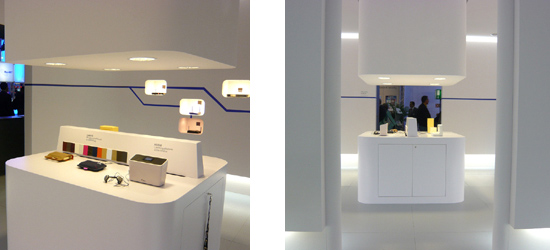
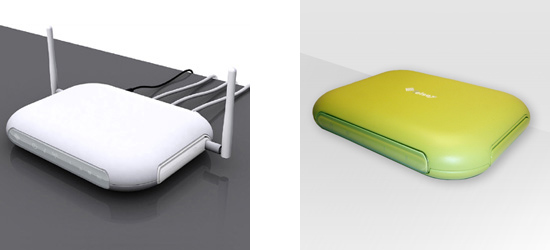
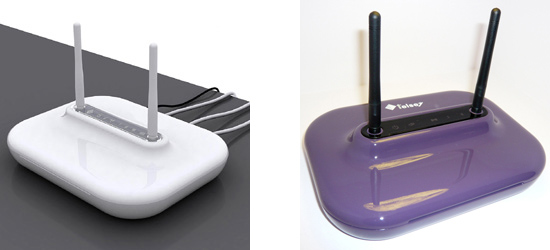
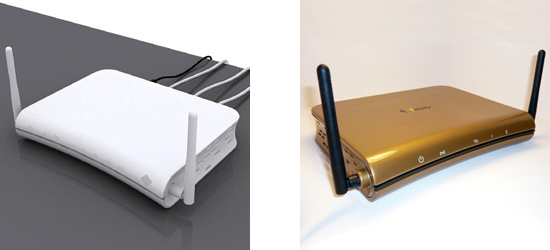
Solution This strategy worked really well. As I.D.milano partner Fabio Moneta explained, "because of our network of local designers we were able to create some really exciting brainstorming activity. In a sense the designers were competing against each other and there was a lot of energy that came out of those meetings." Because of the associated lead time, the design of the booth was tackled first. At a tradefair, this becomes the face of the company. The booth had to reflect the values and the high standards of Telsey. If it doesn't look appealing or professional enough, visitors simply won't enter it. For the new gateways and the advanced concepts the designers created hundreds of sketches which were either refined or rejected depending on the result of a number of gating meetings. Eventually, over 20 designs were presented to the customer for final concept selection. Only at that point were the designs taken into 3D for modeling and presentation renderings. Two prototype shops were chosen in order to minimize risk and accelerate the development. The advanced prototypes, some of which had fabric elements, were crafted by hand. The gateways, shown on this page, were created by stereolithography and then finished and painted. There were some interesting parallels between the booth and the residential gateway despite the difference in scale.
|
||||
 |
||||
|
The
Result Telsey received significant commercial and press attention during the six days that the show ran for. The design team that I.D.milano had put together had delivered a compeling and cohesive design proposition. Two of the residential gateways are now in production at Telsey and the company has selected I.D.milano for further new product designs. |
||||
 |
||||



  |
 |
 |
 |
 |
  |